
Secure-By-Design Implementation: Strategies for SMEs to Build Resilient Operations

In today’s digital landscape, security is not just an add-on. It’s a foundation. For small and medium-sized enterprises (SMEs), non-profits, academic, and public institutions across EMEA, embedding security from the ground up is essential. This approach, known as secure-by-design implementation, ensures that your systems, processes, and culture are built to withstand evolving cyber threats and regulatory demands.
Let’s dive into practical, actionable strategies that will help you build a secure, resilient operation that goes beyond ticking compliance boxes. Whether you’re navigating GDPR, NIS 2, AI ACT, or aiming for ISO 27001 certification, these insights will empower you to take control of your security posture.
Why Secure-By-Design Implementation Matters for SMEs
Security breaches can be devastating. For SMEs, the impact is often more severe due to limited resources and less mature security infrastructures. Secure-by-design implementation means integrating security principles right from the start of any project or system development. This proactive approach reduces vulnerabilities, lowers costs, and builds trust with customers and partners.
European regulations like NIS 2 and GDPR emphasize the importance of risk management and data protection by design and by default. Similarly, standards such as ISO 27001 and NIST frameworks provide structured guidance on embedding security controls early in the lifecycle.
By adopting secure-by-design principles, you’re not just complying with regulations—you’re future-proofing your business against cyber threats and operational disruptions.
Key Elements of Secure-By-Design Implementation
Implementing security from the outset requires a clear roadmap. Here are the core elements to focus on:
1. Risk Assessment and Threat Modeling
Start by identifying what you need to protect—data, systems, intellectual property—and understand the threats you face. Use threat modeling techniques to visualize potential attack vectors and prioritize risks.
Conduct regular risk assessments aligned with ISO 27001 or NIST guidelines.
Map out data flows and identify sensitive information subject to GDPR or DORA.
Engage stakeholders across departments to get a full picture of risks.
2. Secure Architecture and Design Principles
Design your systems with security baked in. This means:
Applying the principle of least privilege to limit access.
Using defense-in-depth strategies with multiple layers of security controls.
Ensuring data encryption both at rest and in transit.
Designing for resilience and failover to maintain availability.
3. Compliance Integration
Align your design with relevant regulations and standards:
NIS 2 requires robust cybersecurity measures for essential and important entities.
AI ACT mandates transparency and risk management for AI systems.
eIDAS supports secure electronic identification and trust services.
Incorporate these requirements early to avoid costly redesigns later.
4. Secure Development Lifecycle (SDLC)
Embed security checks throughout your development process:
Use static and dynamic code analysis tools.
Conduct regular penetration testing.
Train developers on secure coding practices.
Automate security testing in CI/CD pipelines.
5. Continuous Monitoring and Incident Response
Security is not a one-time effort. Implement continuous monitoring to detect anomalies and respond swiftly:
Use SIEM (Security Information and Event Management) tools.
Establish clear incident response plans.
Regularly update and patch systems to close vulnerabilities.

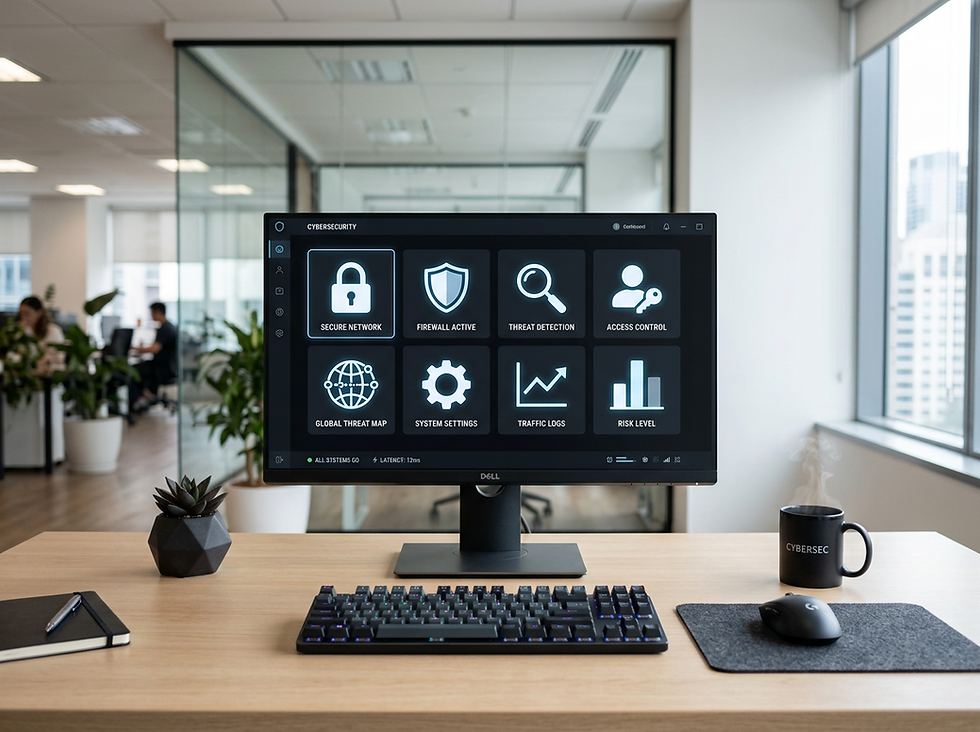
Caption: Real-time security monitoring is crucial for maintaining a secure-by-design environment.
Practical Steps to Implement Secure-By-Design Strategies for SMEs
Now that we understand the pillars, let’s get practical. Here’s a step-by-step guide tailored for SMEs and similar organizations:
Step 1: Build Awareness and Culture
Security starts with people. Educate your team about the importance of security and their role in it. Use workshops, newsletters, and regular updates to keep security top of mind.
Step 2: Define Security Policies and Procedures
Create clear, accessible policies that cover data protection, access control, incident reporting, and acceptable use. Make sure these policies align with GDPR and ISO 27001 requirements.
Step 3: Choose the Right Technologies
Invest in security tools that fit your size and needs:
Firewalls and endpoint protection.
Identity and access management (IAM) solutions.
Encryption tools.
Backup and disaster recovery systems.
Step 4: Implement Secure Development Practices
If you develop software or digital services, integrate security into every phase:
Use frameworks that support secure coding.
Conduct code reviews focused on security.
Automate vulnerability scanning.
Step 5: Regularly Review and Update
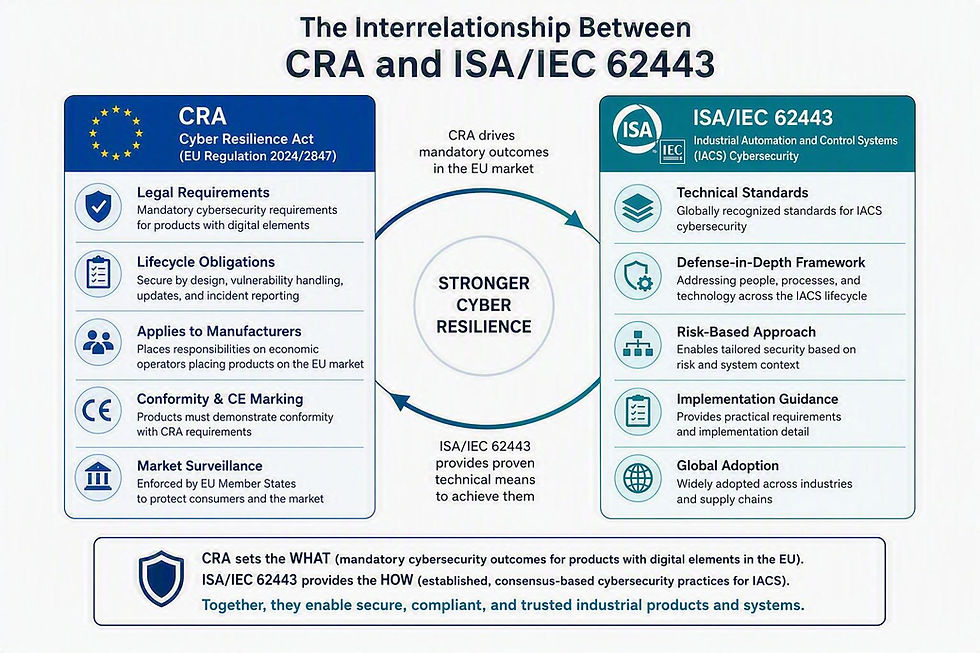
Security is dynamic. Schedule periodic reviews of your security posture, update policies, and adapt to new threats and regulations like CRA (Cyber Resilience Act).
Leveraging Industry Standards and Regulations for Better Security
Navigating the complex web of regulations and standards can be daunting. However, they provide a valuable blueprint for secure-by-design implementation.
ISO 27001 offers a comprehensive Information Security Management System (ISMS) framework.
SOC 2 focuses on controls relevant to service organizations, emphasizing security, availability, and confidentiality.
NIST frameworks provide detailed guidelines on cybersecurity best practices.
DORA (Digital Operational Resilience Act) targets financial entities but offers lessons on operational resilience.
eIDAS ensures trust in electronic transactions, crucial for digital services.
By aligning your security strategy with these standards, you not only meet compliance but also gain a competitive edge by demonstrating your commitment to security and resilience.

Caption: Aligning with standards like ISO 27001 and GDPR strengthens your security foundation.
Building Resilience Beyond Compliance
Compliance is the floor, not the ceiling. True security means building resilience—being able to anticipate, withstand, and recover from incidents.
Develop a robust incident response plan that includes communication strategies.
Conduct regular drills and simulations.
Foster partnerships with trusted cybersecurity providers.
Invest in employee training to reduce human error.
Remember, regulations like NIS 2 and AI ACT increasingly emphasize resilience and accountability. Your goal is to create a security culture that adapts and evolves.
Taking the Next Step with Gira Group
Implementing secure-by-design strategies is a journey, not a destination. It requires expertise, commitment, and continuous improvement. That’s where Gira Group comes in.
We specialize in helping SMEs, non-profits, academic, and public institutions across EMEA build truly secure and resilient operations. Whether you need guidance on ISO 27001, GDPR, AI ACT, or other frameworks, we provide tailored solutions that fit your unique needs.
Explore how secure by design strategies for smes can transform your security posture and empower your growth.
Security is a mindset. Start building yours today.

Comments