
Why SME Cybersecurity Germany Tips Matter for Your Business

In today’s digital world, small and medium-sized enterprises (SMEs) in Germany face a growing wave of cyber threats. These attacks are no longer just a problem for large corporations. Hackers see SMEs as easy targets, often with weaker defenses and valuable data. If you run an SME, understanding why cybersecurity matters and how to protect your business is crucial. Let’s dive into the essentials and practical tips that can help you stay secure and compliant.
Why SME Cybersecurity Germany Tips Are Essential
Cybersecurity is not just about installing antivirus software or firewalls. It’s a comprehensive approach to protecting your business’s digital assets, customer data, and reputation. For SMEs in Germany, the stakes are high. A single breach can lead to financial losses, legal penalties, and loss of customer trust.
European regulations like GDPR, NIS 2, CRA, AI ACT, and DORA set strict standards for data protection and operational resilience. Compliance with these laws is mandatory and requires SMEs to implement robust cybersecurity measures. For example, GDPR demands that businesses protect personal data and report breaches promptly. NIS 2 focuses on improving cybersecurity across essential services, including SMEs in critical sectors.
Moreover, industry standards such as ISO 27001, ISO 42001, SOC 2, NIST, and eIDAS provide frameworks to build and maintain effective security programs. Adopting these standards helps SMEs not only comply with regulations but also build trust with customers and partners.

Practical SME Cybersecurity Germany Tips to Strengthen Your Defenses
Implementing cybersecurity can seem overwhelming, but breaking it down into manageable steps makes it achievable. Here are some actionable tips tailored for SMEs in Germany:
Conduct a Risk Assessment
Identify your most valuable digital assets and potential vulnerabilities. This helps prioritize security efforts where they matter most.
Train Your Team
Human error is a leading cause of breaches. Regular cybersecurity awareness training ensures your staff recognize phishing attempts and follow best practices.
Implement Strong Access Controls
Use multi-factor authentication (MFA) and limit access to sensitive data based on roles. This reduces the risk of unauthorized access.
Keep Software Updated
Regularly patch operating systems, applications, and security tools to close known vulnerabilities.
Backup Data Regularly
Maintain secure, offline backups to recover quickly from ransomware or data loss incidents.
Develop an Incident Response Plan
Prepare clear procedures for detecting, reporting, and responding to cyber incidents. This minimizes damage and downtime.
Leverage Compliance Frameworks
Align your cybersecurity policies with standards like ISO 27001 or NIST to ensure comprehensive coverage and easier audits.
By following these tips, SMEs can build a resilient cybersecurity posture that meets regulatory requirements and protects business continuity.
What is an SME in Cyber Security?
Understanding what qualifies as an SME in cybersecurity terms is important for tailoring security strategies. In Germany and across Europe, SMEs are typically defined by employee count and turnover:
Micro enterprises: fewer than 10 employees and annual turnover or balance sheet total under €2 million.
Small enterprises: fewer than 50 employees and turnover or balance sheet total under €10 million.
Medium enterprises: fewer than 250 employees and turnover under €50 million or balance sheet total under €43 million.
From a cybersecurity perspective, SMEs often lack the dedicated IT security teams that larger companies have. This makes them more vulnerable but also means they need scalable, cost-effective solutions. Cybersecurity for SMEs Germany must focus on practical, easy-to-implement controls that provide maximum protection without overwhelming resources.
Many SMEs operate in sectors covered by regulations like NIS 2 or CRA, which means they must meet specific cybersecurity requirements despite their size. This includes risk management, incident reporting, and supply chain security.

Navigating European Cybersecurity Regulations and Standards
European cybersecurity regulations are evolving rapidly to address new threats and technologies. SMEs in Germany must stay informed and proactive to avoid penalties and reputational damage.
NIS 2 Directive: Expands the scope of cybersecurity obligations to more sectors and SMEs, emphasizing risk management and incident reporting.
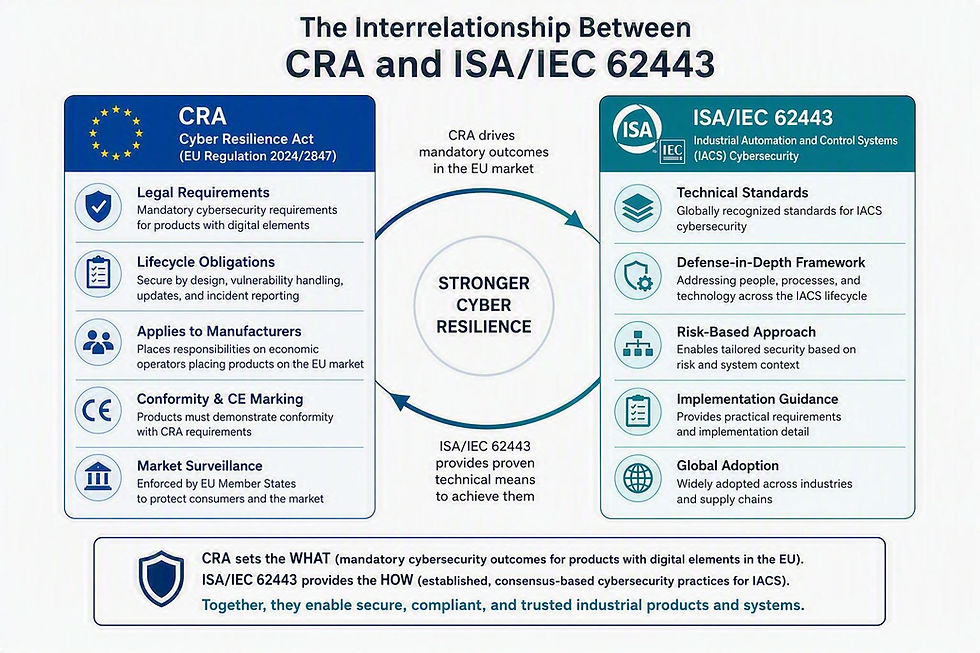
Cyber Resilience Act (CRA): Focuses on improving the security of digital products and services, impacting SMEs that develop or use software.
AI Act: Regulates AI systems, requiring risk assessments and transparency, relevant for SMEs using AI technologies.
GDPR: Protects personal data and mandates breach notifications within 72 hours.
DORA: Enhances digital operational resilience in the financial sector, affecting SMEs in fintech and related industries.
Adopting standards like ISO 27001 helps SMEs create structured information security management systems (ISMS). SOC 2 reports provide assurance on controls related to security, availability, and confidentiality. NIST frameworks offer guidelines for identifying, protecting, detecting, responding, and recovering from cyber incidents.
Compliance is not just about avoiding fines. It builds customer confidence and opens doors to partnerships with larger organizations that require strict security standards.
Building a Cybersecurity Culture That Lasts
Technology alone cannot secure your SME. A strong cybersecurity culture is vital. This means embedding security awareness into everyday business practices and encouraging everyone to take responsibility.
Leadership Commitment: Management must prioritize cybersecurity and allocate resources accordingly.
Continuous Education: Regular training sessions and updates keep security top of mind.
Clear Policies: Documented rules on password use, data handling, and device security guide employee behavior.
Encourage Reporting: Create a safe environment for staff to report suspicious activities without fear.
By fostering a culture of security, SMEs can reduce risks caused by human error and adapt quickly to emerging threats.
Taking the Next Step Toward Cyber Resilience
Cybersecurity for SMEs Germany is not a one-time project but an ongoing journey. Start by assessing your current security posture and identifying gaps. Then, develop a roadmap that includes technology upgrades, staff training, and compliance efforts.
Partnering with experts who understand European regulations and SME challenges can accelerate your progress. Whether it’s aligning with ISO 27001, preparing for NIS 2 audits, or implementing AI Act requirements, professional guidance ensures you meet obligations and protect your business effectively.
Remember, cyber threats evolve constantly. Staying vigilant and proactive is your best defense. By investing in cybersecurity today, you safeguard your SME’s future and build trust with customers and partners alike.
Taking cybersecurity seriously is no longer optional. It’s a business imperative that protects your assets, reputation, and growth potential. Start your journey now and build a secure, resilient SME ready for the digital future. For a detailed consultation on creating bespoke security awareness training and implementing a robust defense against social engineering attacks, contact us to schedule a consultation.


Comments